
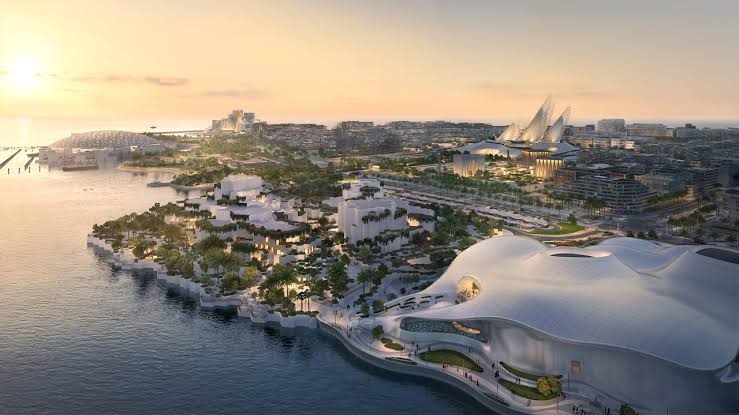
Saadiyat Cultural District is not defined only by its museums and exhibitions. Its architecture is an important part of the destination’s identity.
Located on Saadiyat Island in Abu Dhabi, the district brings together buildings designed for art, heritage, science and contemporary creative experiences. Each institution has its own architectural character, creating a collection of landmarks that reflect different approaches to design.
The district demonstrates how architecture can contribute to the identity of a cultural destination. Buildings are not simply containers for exhibitions; their form, materials, lighting and relationship with public spaces influence how visitors experience the area.
From Louvre Abu Dhabi’s celebrated dome to the planned design of Guggenheim Abu Dhabi, the district offers an interesting perspective on contemporary architecture in the UAE.
1. Louvre Abu Dhabi: A Landmark of Light and Geometry
Louvre Abu Dhabi is among the most recognised architectural landmarks in Saadiyat Cultural District.
Designed by architect Jean Nouvel, the museum is known for its large geometric dome, which creates a distinctive lighting effect across the spaces beneath it.
The design draws inspiration from traditional architectural ideas associated with shade, filtered light and layered structures.
The Dome and Its Lighting Effect
The dome is formed by multiple layers of geometric patterns. As sunlight passes through these layers, it creates changing patterns of light and shadow across the museum’s outdoor areas.
This effect is often described as a rain of light and is one of the building’s most distinctive characteristics.
Relationship with the Waterfront
The museum’s setting is another important part of its design. Its position beside the water creates a relationship between the architecture, the surrounding landscape and the sea.
The building is designed to be experienced as more than an enclosed exhibition space. Its outdoor areas and waterfront surroundings contribute to the visitor experience.
2. Zayed National Museum: Architecture Inspired by the UAE
Zayed National Museum is another major architectural landmark within the district.
Designed by Foster + Partners, the building takes inspiration from the UAE’s natural environment and cultural heritage.
Its distinctive roof structures are designed to evoke the wings of a falcon, a bird with an important place in Emirati heritage.
Design and Environmental Considerations
The architectural concept combines visual symbolism with considerations for the local climate.
The building’s form and design respond to the environment while creating an identifiable landmark for the museum.
Its architecture complements the institution’s purpose: presenting the history, values and development of the UAE.
3. Natural History Museum Abu Dhabi: Design for Science and Discovery
Natural History Museum Abu Dhabi adds another architectural dimension to the district.
Designed by Mecanoo, the building is intended to support exhibitions and educational experiences focused on natural history, the universe and life on Earth.
Its design forms part of the district’s wider architectural identity while responding to the museum’s scientific purpose.
Architecture and the Visitor Experience
Museums focused on science and natural history require spaces that can accommodate different exhibition formats, objects and interactive displays.
The building’s design supports an environment where visitors can move through different subjects and explore the relationship between scientific research and public education.
4. teamLab Phenomena Abu Dhabi: Architecture and Interactive Experiences
teamLab Phenomena Abu Dhabi offers a different approach to the relationship between architecture and art.
The experience combines digital installations, light, movement and technology. Rather than presenting art only through traditional display spaces, it creates environments in which visitors interact with the installations.
The design and spatial experience are closely connected to the creative concept.
An Environment That Responds to Visitors
Interactive installations can change according to movement and environmental conditions. This makes the visitor’s experience an important part of the artwork.
For architecture and design enthusiasts, the attraction offers an opportunity to explore how built environments can support experimental creative experiences.
5. Guggenheim Abu Dhabi: A New Architectural Landmark
Guggenheim Abu Dhabi is designed by Frank Gehry and is planned as a major addition to Saadiyat Cultural District.
The building’s design is characterised by a composition of geometric forms and volumes, creating a distinctive architectural profile.
The museum is intended to focus on modern and contemporary art from international perspectives.
Its scheduled opening is 11 December 2026. Buyers and visitors should check official announcements for the latest visitor and operational information.
The Role of Guggenheim Abu Dhabi
The museum will add another significant cultural institution to the district. Its architecture and intended collection will contribute to the area’s position as a destination for contemporary art and design.
6. Manarat Al Saadiyat: Creative Spaces and Cultural Architecture
Manarat Al Saadiyat offers a more community-oriented cultural environment.
The centre supports exhibitions, workshops and creative programmes. Its role complements the larger museums by providing spaces for artistic participation and cultural activities.
The institution demonstrates that a cultural district needs more than major museum buildings. Smaller creative spaces also play an important role in developing an active cultural environment.
7. How Architecture Shapes the Identity of Saadiyat Cultural District
The district’s architecture contributes to its identity in several ways.
Creating Recognisable Landmarks
Distinctive buildings help establish a visual identity for the area. Visitors can associate the district with its museums and architectural forms.
Supporting Cultural Experiences
Museum architecture influences how visitors move through exhibitions, interact with displays and experience collections.
Connecting Buildings with Public Spaces
The relationship between buildings and surrounding open areas contributes to the overall visitor experience.
Representing Cultural Ideas
Several buildings incorporate references to local heritage, nature and broader cultural themes. This gives architecture a role in communicating ideas beyond aesthetics.
8. The Relationship Between Cultural Architecture and Residential Development
The architectural character of Saadiyat Cultural District also contributes to the appeal of nearby residential areas.
Developments such as Mamsha Al Saadiyat, Mamsha Gardens and Saadiyat Grove offer different residential settings within the wider cultural and coastal environment.
For buyers, the surrounding architecture and public spaces may be relevant when choosing a home. However, residential quality should also be assessed through the individual building’s design, construction standards, facilities and maintenance.
Consider the following factors:
- Building design and layout
- Natural light and ventilation
- Views and orientation
- Shared spaces and facilities
- Construction quality
- Maintenance arrangements
- Distance from cultural venues
A property’s proximity to an architectural landmark does not automatically guarantee a particular view or walking distance. Verify the exact location and outlook before buying.
9. Why Saadiyat Cultural District Matters for Abu Dhabi’s Urban Development
Saadiyat Cultural District forms part of Abu Dhabi’s broader investment in culture, tourism and urban development.
The district demonstrates how cultural institutions can contribute to a destination’s identity and support public engagement with art, history and science.
Its combination of museums, public spaces and nearby residential developments also creates a wider environment where cultural activities are connected to everyday life.
For Abu Dhabi, this approach strengthens the relationship between architecture, heritage, tourism and residential development.
Explore the Cultural and Residential Environment of Saadiyat Island
Saadiyat Cultural District offers an opportunity to experience architecture from different periods, design approaches and cultural perspectives.
For buyers interested in living close to these landmarks, the wider island includes residential developments with different layouts, property types and lifestyle settings.
Explore properties near Saadiyat Cultural District with APIL Properties and compare available homes based on location, specifications and residential requirements.
Frequently Asked Questions
1. Why is Saadiyat Cultural District famous for architecture?
The district features several distinctive cultural buildings designed by internationally recognised architectural practices. Louvre Abu Dhabi, Zayed National Museum and the planned Guggenheim Abu Dhabi are among its notable landmarks.
2. Who designed Louvre Abu Dhabi?
Louvre Abu Dhabi was designed by French architect Jean Nouvel. Its most recognisable feature is its large geometric dome, which creates a distinctive filtered-light effect.
3. Who designed Zayed National Museum?
Zayed National Museum was designed by Foster + Partners. Its design draws inspiration from the wings of a falcon and the UAE’s natural environment.
4. Who designed Guggenheim Abu Dhabi?
Guggenheim Abu Dhabi was designed by architect Frank Gehry. The museum is planned as a major modern and contemporary art institution within Saadiyat Cultural District.
5. Can visitors explore the architecture without entering every museum?
Visitors can appreciate selected architectural features and public spaces from the areas accessible to them. Access to individual buildings and exhibition spaces depends on each institution’s visitor arrangements.
6. Is Saadiyat Cultural District a good location for architecture enthusiasts?
Yes. The concentration of museums and distinctive buildings makes it an interesting destination for people interested in contemporary architecture, urban design and cultural spaces.